 Map out your child’s financial journey with lessons for every age group
Good money habits start early. From the time kids are walking and talking, their financial education is well underway. So, how can you help your child build a solid foundation that sets them up for a lifetime of smart saving and spending?
Experts recommend starting a financial conversation with kids when they’re in preschool and continuing the discussion all the way through young adulthood. No matter where your child is on their financial education journey, here are important money milestones to cover along the way.
Ages 3 – 6
Recognizing the difference between “needs” and “wants” is a basic money concept that’s much easier to learn when you’re young! As you shop for groceries or pay bills, talk about how you spend money on needs, save it for things you want, and share it to help others.
At age 5 or 6, start paying your child a weekly allowance for completing simple chores.
Experts suggest starting at $1 per year of age, but that’s up to you. The most important lesson is to help your child adopt a “spend, save, share” approach to their income from the very beginning. Open a savings account in your child’s name and help them make regular deposits.
Ages 7 – 12
Put the focus on helping your kids learn how to budget and save. Include children in family budget discussions and celebrate your achievements, such as reaching a vacation savings goal or paying off a car. Talking about budgets gives kids an understanding of what things cost and how you make decisions between wants, needs, and unexpected costs.
As kids get older, help them set savings goals that require them to postpone short-term spending in order to gain something more fun or rewarding later, like a game or special toy.
Ages 13 – 17
When kids become teenagers, they have options beyond their allowances to work, earn, and save money. This makes it the perfect time for them to take on increased responsibility for their expenses, such as entertainment, phone bills, or gas money. As their income expands, it’s also important to ensure part of their earnings goes toward long-term savings goals, such as college or a car.
When a teen begins to earn a regular paycheck, help them take their money management skills to the next level by opening a teen checking account that comes with tools such as a debit card, digital payments, and ATM access.
Ages 18 – 20
With young adulthood comes credit card offers! Talk to your kids about how credit cards work and the importance of establishing a good credit score by paying their bills on time, keeping balances low, and not taking on more credit than needed. Opening a secured credit card tied to a savings account is a smart way to build a strong credit rating because it ensures new cardholders don’t spend more money than they have.
For more insights to help you map out your child’s financial education journey, download Arizona Federal’s free Money Talks Guide and Money Milestones Map for Parents or Grandparents. ArizonaFederal.org/AzKids
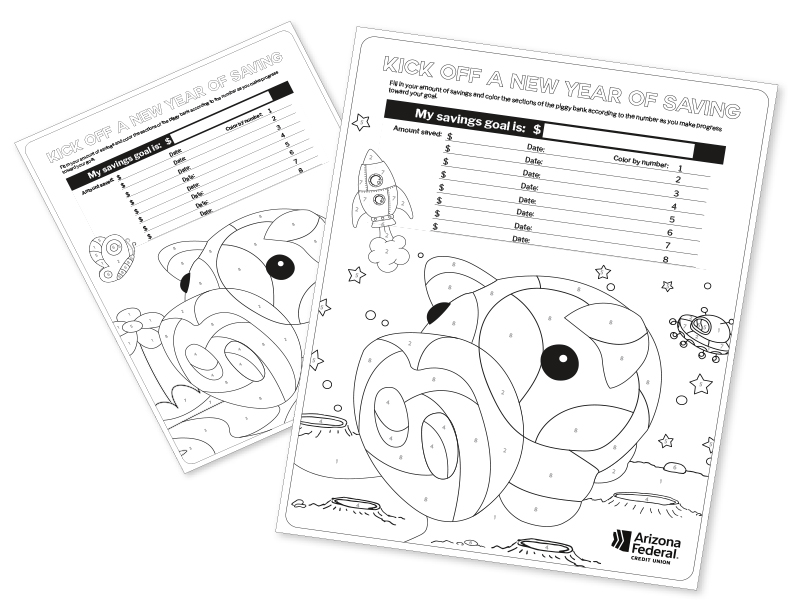
New Year of Saving Activity
Use our kid-friendly worksheet to help your child set a savings goal (or two!), establish a budget, and track their progress. Go to arizonafederal.org/azkids to download your copies.
Games to teach financial responsibility

Money Bags (ages 5-10)
In this board game, players collect, count, and exchange money as they learn all about how to use various coins and bills. Kids will be challenged to see if they can make 13 cents without using dimes or perhaps how to make 32 cents without using quarters. Whoever reaches the finish first receives a bonus. Those who earn more money than their fellow ‘’investors,’’ win the game! learningresources.com
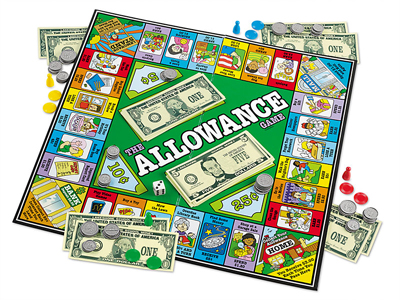 The Allowance Game (ages 5-11)
In this fast-paced game, players race around the board doing various “chores’’ and collecting an allowance. They can then spend their earnings on the things they want: wash the car and earn $1.30, but forget your homework and lose a turn! This exciting game is a great way to teach kids about responsibility and real-life money-making scenarios. lakeshorelearning.com
 CASHFLOW for Kids (ages 6+)
Turn your game nights into something fun and educational! In this newly refined CASHFLOW for Kids game, young players will learn core principles of cash flow, capital gains, assets and liabilities in a fun, easy-to-understand game. richdad.com
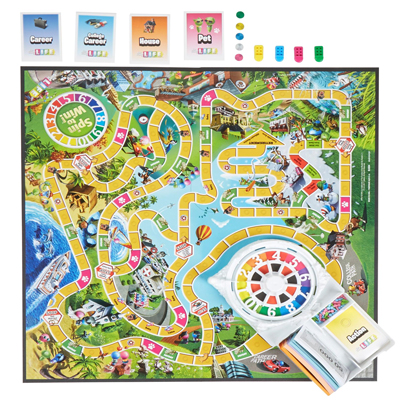 The Game of Life (ages 8+)
This classic family board game takes players on a roller-coaster of adventure, family, unexpected surprises, and pets! Whether you choose the family path, start a career, or venture down a risky road, players get to make their own exciting choices as they move through the twists and turns of life. Players can go to college, adopt pets, get married, have children, acure debt, and experience lots of more real-life situations. The player with the most money at the end of the game wins! hasbrogaming.hasbro.com
Rachel Galvez is the Marketing Partnerships Manager at Arizona Federal Credit Union. A mom of two, Rachel is committed to empowering families with the information they need to make smart financial decisions now and set their children on the path to financial success in the future.