

Fun Ways to Teach Financial Literacy Over Summer Break
Summer break is the perfect time for kids to relax, but it’s also a great opportunity to teach them lifelong money skills in a way that’s hands-on and fun. With children developing money habits as young as seven years old, it’s never too early (or too late) to provide them with lessons that will shape their financial future.
Budgeting & Saving: Keep It Simple
Teaching kids about money doesn’t have to feel like a math lesson. Here are some easy ways to work financial literacy into everyday summer life:
- Allowance with a twist: Whether they earn it through chores or get a set amount each week, encourage kids to divvy it up into saving, spending, and giving jars.
- Savings accounts for the win: Opening a youth savings account gives kids a chance to set goals and watch their money grow. Some credit unions, like Arizona Financial, even offer no-fee accounts with no minimum balance.
- Needs vs. wants showdown: Summer is full of tempting buys: cool pool floats, endless snacks, and that one toy they suddenly need. Before making a purchase, have kids decide if it’s a must-have or just a fun extra.
Hands-On Ways to Earn & Spend Wisely
There’s no better way to understand money than by making (and spending) your own. Help kids get a little entrepreneurial with these summer side gigs:
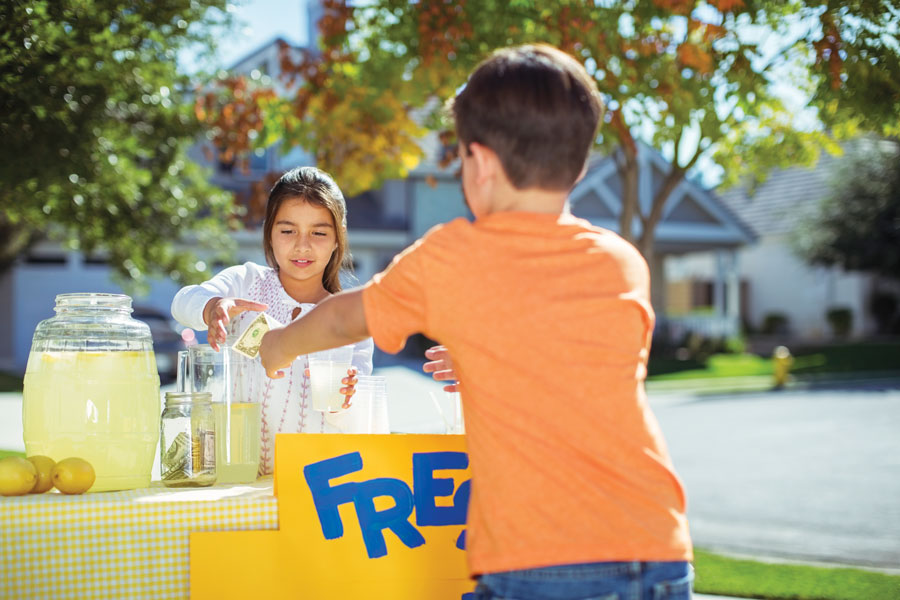
- Lemonade stands & bake sales: Classic, yes, but also a great way to practice budgeting, pricing, and maybe even customer service.
- Garage sale gurus: Let kids price and sell their outgrown toys and clothes. They’ll learn negotiation skills—and maybe even part with that stuffed animal collection.
- Neighborhood services: Dog walking, babysitting, and car washing can teach older kids responsibility while helping them earn their own spending money.
Make Learning Fun: Games, Apps & Challenges
Money lessons don’t have to be boring. Try these fun ways to boost financial know-how:
- Game night with a twist: Monopoly, The Game of Life, and Pay Day teach budgeting, saving, and the joys (or heartbreak) of unexpected expenses.
- Kid-friendly finance apps: Apps like iAllowance and locally founded My First Nest Egg make tracking money fun and interactive.
- Hands-on money jars: Younger kids can use envelopes or jars to physically see their money grow (or disappear after a candy splurge).
Encouraging Smart Saving Habits
Help kids see the value of saving by making it a little more rewarding:
- Parent match program: Offer to match a percentage of what they save to encourage bigger goals.
- Dream big goals: Whether it’s a new skateboard or a family trip, saving toward something special makes it more exciting.
- Interest 101: Teach older kids how their savings can grow over time with compound interest (or sweeten the deal by adding a little bonus if they resist the urge to spend right away).
- By turning money lessons into everyday fun, you’re not just keeping kids busy this summer – you’re setting them up for a lifetime of smart financial decisions. And that’s a win for everyone.