
 If your child is naturally quiet, reserved or slow to warm up in social settings, the idea of summer camp can raise an important question for parents: Will camp help them grow—or will it overwhelm them?
Many parents of introverted or socially cautious kids worry that camp, with its group activities and unfamiliar faces, might be too much. But the truth is that summer camp can often be a wonderful environment for quieter children to build confidence and connections at their own pace.
Understanding Different Social Styles
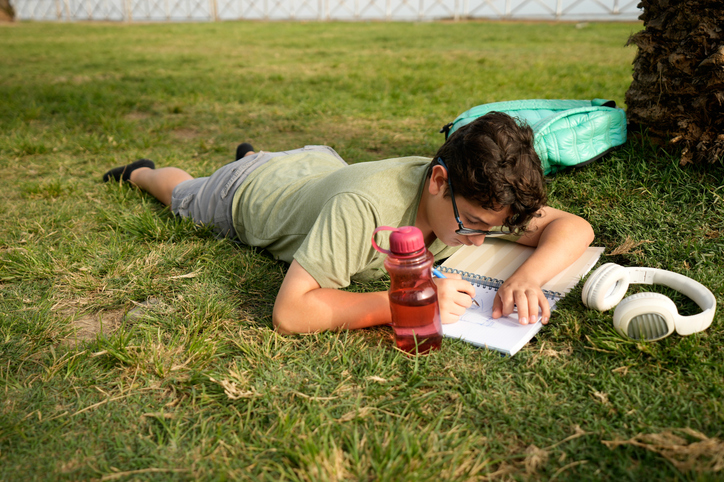
Not every child thrives in large, high-energy social environments right away. Some kids prefer observing before joining in, building friendships slowly or spending time in smaller groups. This isn’t a weakness—it’s simply a different social style.
Camps are designed with a variety of activities throughout the day, from group games and outdoor adventures to quieter moments like crafts, reading time or creative projects. These varied experiences give kids different ways to participate and engage.
The Benefits of Camp for Quiet Kids
One of the biggest advantages of camp is the opportunity to meet peers outside of school. Because campers often arrive not knowing many people, everyone starts on relatively equal footing.
This environment can make it easier for quieter kids to form friendships without the pressures of established social groups. Shared activities—like building a fort, working on a science experiment or learning a new sport—naturally encourage interaction.
Camp also offers kids the chance to practice social skills in a supportive setting. Many camps emphasize teamwork, cooperation and kindness, helping children feel included.
Choosing the Right Camp Environment
Finding the right camp can make a big difference. Some children do better in smaller camps with lower camper-to-staff ratios, where counselors can provide more individual attention and help facilitate introductions between campers.
Activity-based camps—such as art, STEM, nature or animal camps—can also be a great fit for quieter kids because they allow children to bond over shared interests rather than purely social interaction.
Preparing Your Child Ahead of Time
Talking about camp ahead of time can help children feel more confident. Reviewing the daily schedule, discussing what activities might look like and reassuring your child that it’s okay to take time warming up can ease some of their worries.
Parents can also remind kids that counselors are there to help and that it’s okay to ask questions or let someone know if they feel unsure.
Growth Happens in Small Steps
For quieter kids, camp may not instantly turn them into social butterflies—and that’s perfectly okay. The goal isn’t to change their personality but to help them grow comfortable navigating new environments.
Even small successes, like talking to a new camper, trying a group activity or asking a counselor for help, can build confidence over time.
A Place to Grow
While camp can feel like a big step for socially cautious kids, it also offers valuable opportunities to develop independence and connection. With supportive counselors, engaging activities and time to adjust, many quiet kids discover that camp becomes a place where they can thrive—just in their own way.