Most people think that drowning is a dramatic event involving splashing and screaming. But drowning is silent. It is critical to understand the signs of drowning to save lives.
What to look for:
A drowning person may be vertical in the water, with their head tilted back and their arms outstretched, and trying to climb an invisible ladder. They may gasp for air or may even hyperventilate.
As the process goes on, their energy depletes. They may make weak movements or not move at all. The person may have a glassy look, appearing to stare off into the distance, if their eyes are open at all. Their skin may turn blue or gray due to the lack of oxygen.
How to Respond to Drowning:
If you suspect someone is drowning, act quickly. Call 911 and call out for help if others are around.
Get the person out of the water and check for responsiveness. (A sternal rub is a fast way to check this.) If the person is not responsive, immediately start CPR with rescue breaths.
Even if the person appears to be OK, they should get checked out to ensure there are no underlying injuries or complications.
Preventing Drowning
Knowing how to identify a drowning is great, but it’s much better to prevent it in the first place.
- Never Swim Alone. It doesn’t matter how old a person is, it’s best to swim with a partner. Children should always have an adult watching them around water – even if they are strong swimmers.
- Learn to Swim. These skills will be helpful throughout a person’s life. However, no one is ever drown proof. (Refer back to tip No. 1).
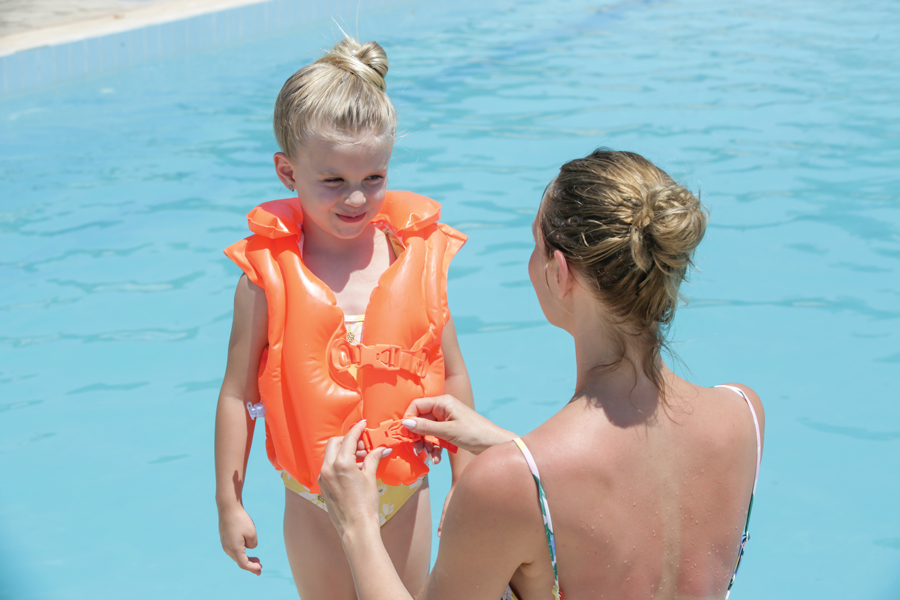
- Wear a Life Jacket. Life jackets are essential in open water. They can also be helpful in a pool when a person’s skills are developing.
- Know Personal Limits. Overestimating abilities in water can be a killer. Staying in areas that meet the individual’s skill level is critical.
- Stay Hydrated. Dehydration can increase the risk of drowning, so staying hydrated is important. Adults should be mindful of their own beverages. Alcohol and drug use impairs judgement and coordination.
- Barriers are Life Savers. Ensure pools and spas are blocked off with a self-locking gate or secured covers to prevent young children from accessing it.
Being educated about how to stay safe around water can help reduce the risks of drowning. Get information and resources by connecting with the Drowning Prevention Coalition of Arizona (preventdrownings.org) and your local fire department.