

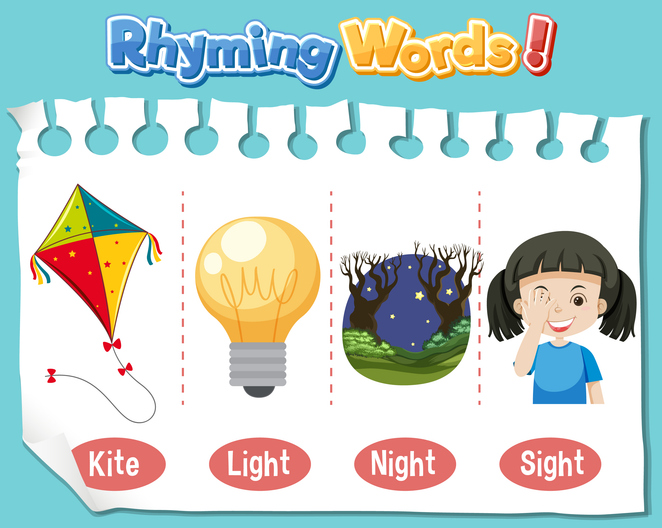
 Parent-teacher conferences are a great opportunity to hear how your child is doing in school, celebrate their accomplishments and find out where they might need a little extra help. Sometimes, it’s something you weren’t expecting.
My kindergartener is doing great in almost every area. Letters? Check. Numbers? Check. But rhyming? Not so much.
“What rhymes with cat?” Crickets.
Now, this isn’t my first rodeo. In fact, this is my third time navigating kindergarten, and if there’s one thing I’ve learned, it’s that every child is different. One might breeze through reading but struggle with numbers. Another might have math down but need a little extra help with writing. Every child has something they need a little more support with, and this time around, apparently, we’re working on rhyming.
And while I know he’ll get there, it got me thinking about how many other parents leave conferences with one or two skills they need to work on at home.
Here’s something I learned: Kids often recognize rhyming words before they’re able to come up with rhymes on their own. So while asking “What rhymes with cat?” might get you a blank stare, asking “Do cat and hat rhyme?” might be a much better place to start.
The good news? Practicing doesn’t have to mean worksheets, flashcards or another structured lesson after a long school day. Rhyming is something you can easily work into everyday activities.
Here are seven simple ways to make it fun.
1. Play “Do These Rhyme?”
Start with two words, like “cat” and “hat,” and ask whether they rhyme. Then try “cat” and “dog.” Have your child give a thumbs-up or thumbs-down. Once they’ve mastered recognizing rhymes, encourage them to come up with their own.
2. Read Books That Rhyme
Books are one of the easiest ways to introduce rhyming naturally. Some favorites include:
- There Was an Old Lady Who Swallowed a Turkey! by Lucille Colandro
- The Cat in the Hat by Dr. Seuss
- Llama Llama Red Pajama by Anna Dewdney
- Room on the Broom by Julia Donaldson
- Chicka Chicka Boom Boom by Bill Martin Jr. and John Archambault
Once your child becomes familiar with a story, pause before a rhyming word and see if they can finish the sentence.
3. Make Up Silly Rhyming Names
Turn family names, pets or favorite toys into a rhyming game. Silly Billy? Ted the Bed? The more ridiculous, the better. Kids love nonsense, and made-up words are perfectly fine for practicing rhyming sounds.
4. Try a Rhyming Scavenger Hunt
Pick an object around the house and ask your child to find something that rhymes with it. A sock and a clock, a chair and a bear (stuffed animals count!), or a toy car and a jar. It’s a fun way to get them moving while practicing.
5. Sing Nursery Rhymes Together
Classic nursery rhymes like “Humpty Dumpty,” “Twinkle, Twinkle, Little Star” and “Hey Diddle Diddle” are full of rhyming words. Sing them together and emphasize the rhymes. Once they’re familiar, leave out a word and let your child fill it in.
6. Play the Rhyming Game in the Car
Car rides are a great time to sneak in a little learning. Start with an easy word like “dog” and take turns coming up with words that rhyme. Don’t worry if your child makes up a silly word. Hearing the matching sounds is what matters!
7. Make Rhyming Part of Everyday Conversations
You don’t need a designated learning time. While making dinner, ask what rhymes with “pan.” At bath time, try “tub.” While getting dressed, ask what rhymes with “shoe.” A few minutes here and there can add up without making it feel like homework.
Remember, Progress Takes Practice
Every child develops at their own pace, and not every skill clicks at the same time. Parent-teacher conferences aren’t just about grades or checking boxes. They’re an opportunity to find ways to support our kids as they learn.
For us, that means a little more rhyming around the house. And hopefully, before long, when I ask what rhymes with cat, I’ll get something other than a blank stare.