Kindergarten looks different when you’ve already done it a couple of times.
With our oldest boys, I thought I knew what to expect. I assumed I had kindergarten figured out because it was a breeze with our now 13-year-old. Then our second son started school and reminded me—very clearly—that every child experiences it differently.
The longer days hit him hard. Emotionally. Physically. Mentally. He came home exhausted in a way that went beyond being “a little tired.” Kindergarten just wasn’t the right fit yet.
Making the decision to pull him out was hard. It felt heavy. But it was also necessary. We homeschooled for most of that year, giving him time to grow without the pressure of long days and constant stimulation. The following year, we placed him in first grade when he was a little older. He wasn’t thrilled at first—but the difference was night and day.
He adapted. He matured. He found his footing.
And now? He’s thriving. He’s reading double the words per minute he’s expected to at his grade level. The child who struggled with the length and emotional weight of kindergarten simply needed time.
That experience changed me as a parent.
Now, as we prepare for our third son to enter kindergarten this fall, I’m walking into this season with so much more perspective—and a whole lot more grace.
What We’re Doing at Home to Prepare
- Focusing on routines, not academics. Yes, reading matters. Letter recognition helps. But the biggest predictor of a smoother transition for us has been predictability. Consistent bedtimes, regular wake-ups, eating breakfast at the same time, making lunches, and practicing being ready when it’s time to leave the house. (We still struggle with this one). Kindergarten runs on structure, and kids do better when it doesn’t feel brand new.
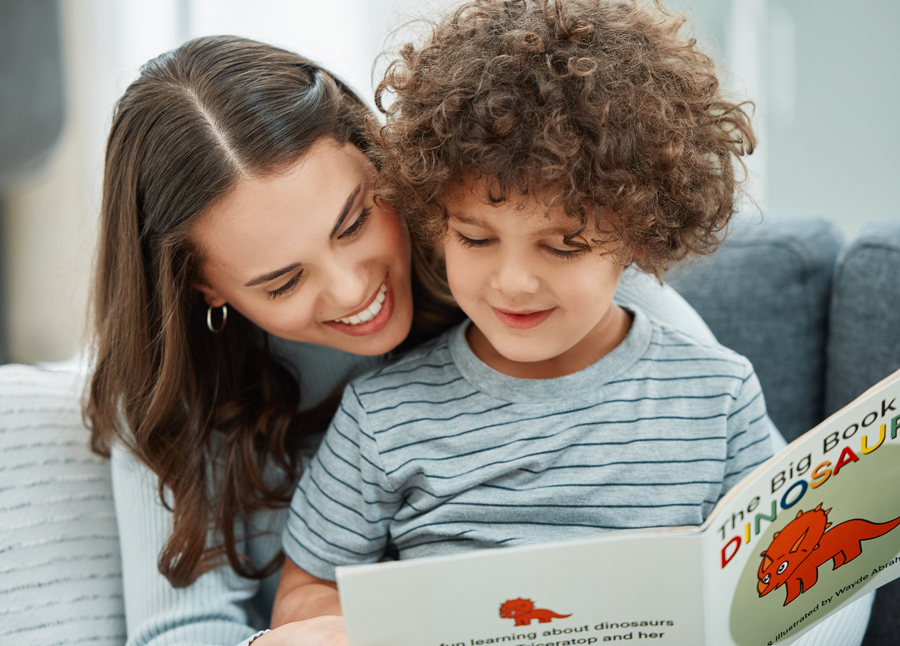
- Reading together—without pressure.We read daily, but without drilling or testing. We talk about stories, ask simple questions, and let curiosity lead. A love of books goes a long way, even if they aren’t reading independently yet.
- Practicing independence in small ways. Opening lunch containers. Putting on shoes. Cleaning up after themselves. Asking for help. These little life skills build confidence in a classroom setting where one teacher is supporting many kids.
- Talking openly about school. We talk about what a school day looks like—where they’ll eat, play, rest, and learn. We talk about feelings they might have, not just the excitement. Nervous, tired, unsure—all normal.
What to Expect Emotionally (Especially with Long Days)
This is the part I wish more parents talked about.
Kindergarten is a long day for little bodies and big feelings. Even kids who seem fine at pickup can unravel at home. You may see:
- Emotional meltdowns after school
- Increased clinginess
- Irritability or silence
- Regression at home
- Saying they dislike school (even if it’s not true)
This isn’t a sign something is wrong. It’s decompression.
Lowering expectations in the afternoons made a huge difference for us. Immediate snack time. Fewer activities. More quiet time. Earlier bedtimes. Kids are holding it together all day—home is where they finally let it out.
Every Child’s Timeline Is Different—and That’s Okay
Our experience with our last son changed everything for me. Pulling him from kindergarten wasn’t failure. It wasn’t giving up. It was meeting his needs at that time.
When we put him back into first grade later, he was more emotionally ready—even if he wasn’t initially excited about it. And that mattered far more than staying on a traditional timeline.
If there’s one thing I’ve learned, it’s this:
There is no prize for pushing through when a child isn’t ready.
Going Into This Season with More Trust
This time around, I’m less focused on checking boxes and more focused on watching my child.
How he responds. How he feels. What he needs.
Kindergarten is a big step—but it doesn’t have to be rushed or rigid. With routines at home, open conversations, and permission to adjust if needed, kids can grow into school at their own pace.
And sometimes, the best preparation isn’t academic at all—it’s knowing that if something doesn’t work, you’re allowed to pivot.
We’ve done it before.
And we’re walking into this next kindergarten season with confidence, flexibility, and a whole lot of empathy—for our kids and ourselves.