
By Alexandra Ziegler
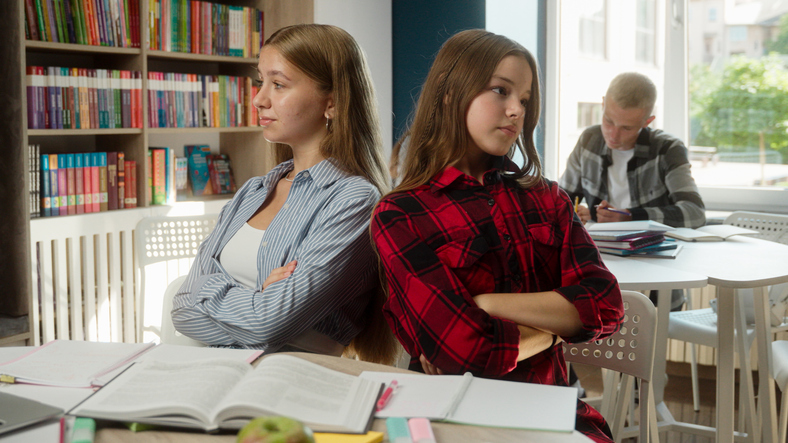
Friendship drama is such a normal part of being a teenager, but that doesn’t make it any less hard. For teens, friendships are a huge part of everyday life, so when something goes wrong, whether it’s group chat drama, gossip, feeling left out, or issues on social media, it can feel really overwhelming. A lot of adults tend to brush it off as “just teen drama,” but for teenagers, these situations can genuinely affect their confidence, emotions, and mental health in a big way.
The Affect of Social Media
Social media has definitely made friendships more complicated for teens today. Arguments don’t just stay at school anymore. They follow them home through Snapchat, Instagram, TikTok, and group chats. Teens can start feeling excluded when they see friends hanging out without them or notice changes in how people interact online. Even little things like being left on read, removed from a private story, or ignored in a group chat can feel really personal during this stage of life. Friendships are constantly changing during adolescence, and that can be difficult for teens who are still figuring out who they are.
Signs to Be Aware Of
Sometimes friendship struggles start affecting more than just a teen’s social life. Parents might notice their teen becoming more emotional, anxious, withdrawn, or insecure. Some teens stop wanting to go to school or activities they usually enjoy, while others become glued to their phones, constantly checking messages or social media. When teens start basing their self-worth on friendships or peer approval, it can take a toll on their mental health and self-esteem.
How to Help
One of the biggest things parents can do is just be there to listen without immediately trying to fix everything. Most teens don’t necessarily want someone to solve the problem for them right away; they usually just want to feel heard and understood. Staying calm, validating their feelings, and giving them space to talk openly can make a huge difference. Asking simple questions and helping them process what they’re feeling can sometimes be more helpful than giving advice right away. These situations can actually help teens learn healthy communication skills, boundaries, and resilience over time.
It’s also important for teens to have healthy ways to cope when friendship situations feel stressful. Here are some things that can help teens regulate emotions and feel more grounded:
- Taking breaks from social media
- Spending time with supportive people
- Getting involved in hobbies or sports
- Journaling and focusing on self-care
Reminding teens that friendships change and that one conflict does not define their worth can also help them keep perspective during difficult moments.
At Horizon Recovery, we understand how much social stress and emotional challenges can impact adolescents. Our team works closely with teens and families to help build confidence, emotional awareness, and healthy coping skills in a supportive environment where teens feel safe, understood, and supported.
About the Author
Alexandra Ziegler is a Clinical Outreach Specialist with Horizon Recovery, an adolescent mental health treatment program focused on supporting teens and families through emotional and behavioral challenges. In her role, she works closely with clinicians, hospitals, therapists, and community partners to help connect adolescents and their families with valuable mental health resources and treatment options. Alexandra is passionate about increasing awareness around teen mental health, strengthening community relationships, and helping families find compassionate, supportive care for their loved ones.