While financial literacy is an important everyday skill, school curriculums have only recently begun to incorporate basic course learning. While some states began requiring high school students to complete a standalone one semester personal finance course credit to graduate, there is no such legislation in Arizona yet. This is where parents, caregivers and educators play a key role.
Many parents and educators struggle to find the best method to introduce financial learning in ways that will resonate with young minds. As leaders of the Arizona Council on Economic Education (ACEE) and Junior Achievement, here are a few tips we suggest for introducing financial concepts to children to set them up for a lifetime of informed, confident decision-making.
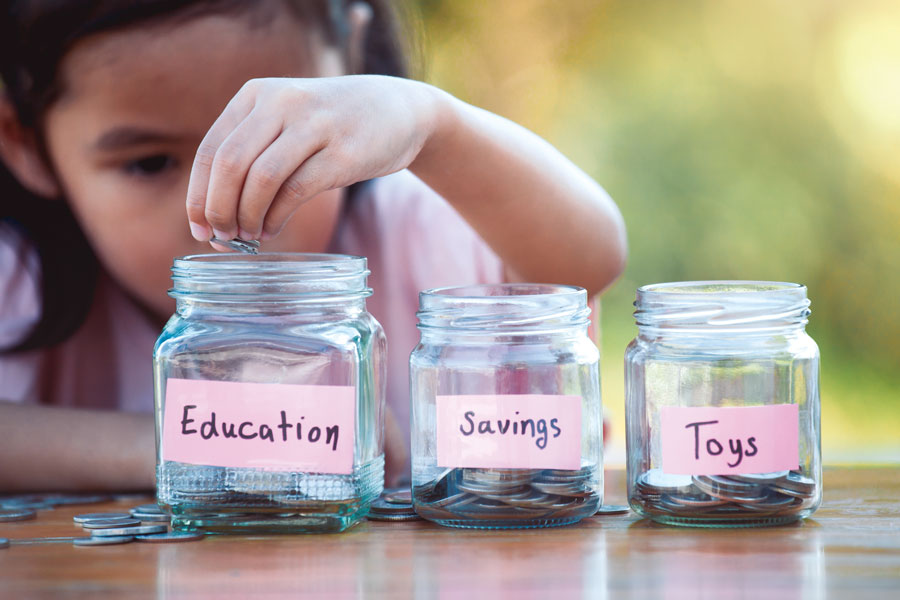
Start Early: One of the best ways to ensure children develop strong financial habits is to introduce basic concepts of money and budgeting as early as possible. Even at a young age, kids can begin to understand simple ideas like the value of saving versus spending. Begin by explaining where money comes from, why we need it, and how it can be exchanged. Using age-appropriate language, such as talking about “saving for something special” or explaining how “buying today means you can’t buy other things until you have more money,” can make these concepts relatable.
Incorporate Financial Education Gradually into Everyday Life and Lead by Example: The best way to teach kids about money is by incorporating financial lessons gradually into everyday activities. Situations like shopping for groceries, setting a budget for a family outing, or even saving for a toy offer perfect opportunities to discuss money. Teaching your child with a hands-on approach during real life events offers them practical understanding without the need for formal lessons.
Utilize Community Resources and Programs: Fortunately, many organizations and programs offer financial literacy resources to help children, families, and schools teach financial education. Junior Achievement and ACEE offer a range of workshops, courses, and materials designed to engage young people in learning about money and economic concepts. ACEE offers teacher workshops and Junior Achievement has resources on its website that are easy to access for both parents and children to learn more about financial literacy. These programs often provide hands-on, interactive experiences that help children grasp financial concepts more effectively.
Check with your financial institution to see if they have products or other resources that make it easier to introduce financial literacy skills to your children.
For example, Bank of America recently launched SafeBalance Banking® for Family Banking, a bank account that offers parents the tools and resources they need to help their children practice healthy financial habits and learn to manage their money through a convenient, secure digital experience. The accounts can be opened via Bank of America online banking or the mobile banking app and allow parents to maintain oversight of their child’s spending and supervise the account while teaching your child the responsibility of managing a physical debit card.
Financial literacy is a vital skill that can set children up for a successful future. By prioritizing financial education, you can help your child build the foundation they need for a lifetime of smart financial decisions.
Elena Zee is President & CEO of Arizona Council on Economic Education (ACEE). Katherine Kemmeries Cecala is President of Junior Achievement of Arizona.