
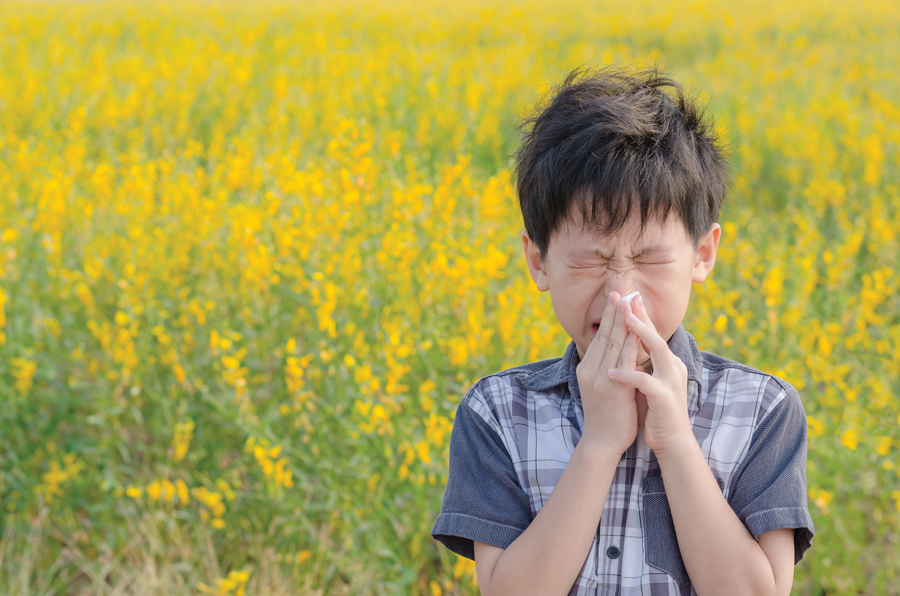
As the seasons change and flowers bloom or leaves fall, many children experience seasonal allergies. Sneezing, congestion, and itchy throats are common, but allergies can also cause dry eye syndrome. This is when the eyes don’t make enough tears, or the tears dry out too fast, making them feel gritty, tired or blurry. Dry eyes can be painful and even raise your child’s risk of eye infections.
As a parent, here’s how you can help:
- Check pollen reports and keep kids indoors on high-pollen days. Close windows and use air conditioning or fans with clean filters and blades.
- Have your child wear sunglasses outside to block pollen, dust, and UV rays.
- Teach your children not to rub their eyes and to wash their hands and face regularly.
- Use a good air purifier with a high-efficiency particulate air (HEPA) filter to help remove allergens from the air in your home.
- Eye drops can help treat itching and redness caused by allergens. But, ask your optometrist which is safe for your child before using.
- Kids should wash their hands after touching a pet. You can also keep your pets out of the bedroom, so they don’t spread allergens where your child sleeps.
While most allergy-related eye symptoms are temporary, persistent issues such as prolonged blurred vision, severe swelling or pain should be evaluated by an eye doctor to prevent complications.
By taking simple steps to reduce exposure, parents can help their children stay comfortable and enjoy the season—clear-eyed and allergy-free.