
When you’re with a baby, there’s a lot to think about—bottles, diapers, playtime, and keeping kids happy. But if you’re caring for a baby, one of the most important responsibilities you have is making sure they sleep safely. Safe sleep saves lives.
Every year in Arizona, infants tragically die from unsafe sleep environments. In fact, about 95% of sudden unexpected infant deaths (SUIDs) are linked to unsafe sleep practices. Many of these could have been prevented with simple steps and the Arizona Department of Child Safety wants to arm our community with the proper knowledge to keep our children safe. Whether you’re a parent, grandparent, uncle, or a teen babysitter, knowing the basics of safe sleep is critical.
Why Safe Sleep Matters
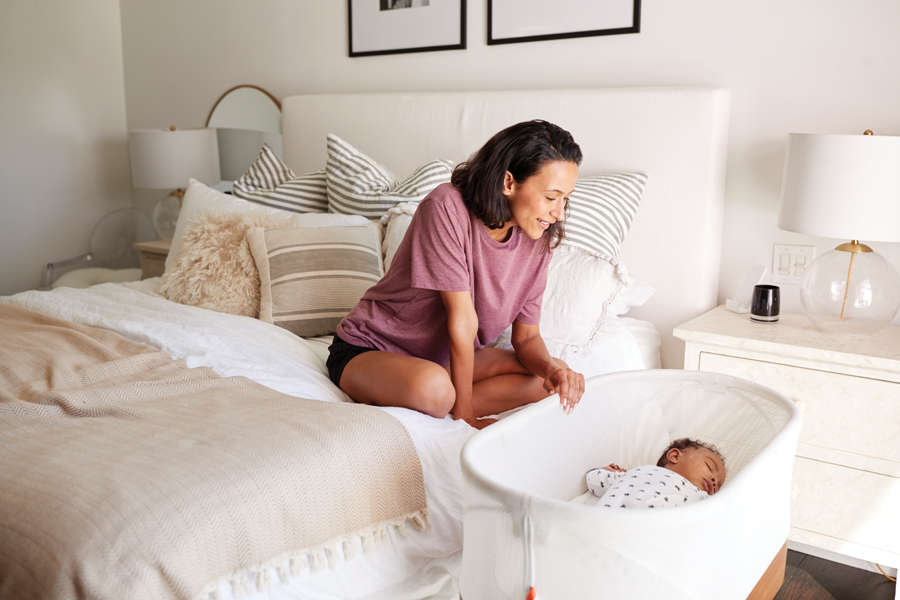
Infants are fragile and can’t roll away from danger or pull blankets off their faces. That’s why something that seems harmless—like placing a stuffed animal in the crib or letting a baby nap on the couch—can actually be dangerous. The safest way for a baby to sleep is alone, on their back, in a crib or bassinet with a firm mattress and no loose items.
Safe Sleep Checklist
Here are a few quick rules to remember if you have or are watching a baby under 1 year old:
- Always put babies on their backs to sleep, for naps and at night.
- Use a crib, bassinet, or play yard with a fitted sheet—never a couch, armchair, or adult bed.
- Keep the sleep space empty: no toys, stuffed animals, pillows, or blankets.
- Check the room temperature: babies should be comfortable in light clothing, not overdressed or bundled.
- Never co-sleep, even for a nap. A bed shared with an adult, child, or even a pet is unsafe for infants.
Tips Just for Babysitters
- Ask the parents in advance: Where does the baby sleep? What’s their bedtime routine?
- Don’t improvise: Even if the baby falls asleep in your arms, gently place them in their crib on their back.
- Avoid distractions: It might be tempting to scroll on your phone, but staying alert ensures you notice if the baby stirs or something doesn’t seem right.
- Speak up: If you notice unsafe items in the crib, kindly mention it to the parent when they get home. You’re showing responsibility, not criticism.
- Stay calm: Babies cry—that’s normal. Rock them, sing softly, or use a pacifier, but never compromise safe sleep for comfort.
Watch for Warning Signs
Every child is different, but pay attention if:
- The baby seems unusually difficult to wake.
- Their breathing sounds strange or labored.
- They look sweaty, too warm, or chilled.
- If you’re concerned, call the parents right away. If it’s an emergency, call 911.
You Play a Critical Role
Babysitters, grandparents, neighbors, and older siblings who watch infants all play a role in keeping babies safe. Every time you put a baby down to sleep safely, you’re protecting them.
For more information on infant safe sleep practices, visit dcs.az.gov/services/prevention/safesleep