

Our Family’s ARFID Journey
Picky eating is a normal part of childhood. But when it’s more than just picky eating, it can be hard to know where to turn for help.
As a child, and honestly even as a young adult, I was afraid of food. I wasn’t scared of choking. I wasn’t sensitive to textures. I wasn’t worried about body image. I was just scared. Of what, exactly? I couldn’t tell you. But it was a real, paralyzing fear that affected every meal. For years, I searched “food phobia” online, desperate for a diagnosis, a name, something to explain what I was experiencing. Nothing ever came up.
When I became a mother, I was determined that my children wouldn’t have the same relationship with food that I did. I didn’t know what had caused my fear. It certainly wasn’t from a lack of effort by my parents. I exposed my kids to foods I had never tried myself, like corn, peaches, and peas. I cooked meals I wouldn’t eat, like chicken, beans, and fish. I did everything I thought I was supposed to do. But despite all my efforts, my oldest daughter developed the same fear-based relationship with food that I had.
So, I went into research overdrive. Feeding therapy, counseling, and nutritionists. You name it, we tried it. And then one day, I found the answer I had been searching for my entire life: Avoidant/Restrictive Food Intake Disorder, or ARFID. The diagnosis I never knew existed. And it fit both of us perfectly.
ARFID was first added to the Diagnostic and Statistical Manual of Mental Disorders (DSM-5) in 2013, which explains why my earlier searches never found it. Since then, awareness has slowly grown. Entire communities have formed online to support families like mine, including Hannah Lea at @myarfidlife on Instagram.
I could write a book about what ARFID feels like from the inside, but here’s what it looked like in my daughter from a mom’s perspective:
- Real fear and real anxiety. Mealtimes weren’t just uncomfortable. They were panic-inducing. Even snack time could trigger fear. Power-based tactics like “sit there until you’re finished” only made things worse.
- The usual tricks don’t work. While my younger two kids could be coaxed into trying new foods, no sticker chart, dessert bribe, or reward system worked for my oldest. If we pushed, she withdrew even more.
- Food is survival, not joy. Neither my daughter nor I have ever found food enjoyable. Eating isn’t social, fun, or relaxing. It’s something we do because we have to. For my daughter, this shows up as avoiding food for as long as possible until she is so exhausted or nauseous that eating feels physically painful.
- Refusal to eat. Many pediatricians say, “Don’t worry, they won’t starve themselves.” I was told to track what my daughter ate over the course of a week rather than a day and trust that she would balance things out. That advice worked for my younger two, but not for her. When she was seven, we went to LEGOLAND, and she ate absolutely nothing for three days. That was the moment I realized we needed real answers.
- Package changes are deal-breakers. Once a “safe food” was found, it was like gold. Safe foods were the few items she could eat without hesitation, often the only things she would eat. But if the company changed the packaging or label, that food suddenly became unsafe. She wouldn’t touch it again.
- Food jags beyond toddlerhood. It’s normal for toddlers to eat the same few foods over and over, then suddenly reject them. But when this pattern continues past age six or seven, it may be time to look deeper.
It’s important to remember that some kids are just picky. Some are extremely picky. And some have ARFID. Even within ARFID, there are different subtypes. It can be serious, and there is still a lot we don’t know.
In one ARFID training session I attended, the instructor compared the disorder to aquaphobia, the fear of water. People with ARFID see others enjoying food the way someone afraid of water sees swimmers. They may want to join in. They might buy a swimsuit, drive to the pool, and try to gather the courage to jump in. But when the moment comes, the fear takes over, and stepping into the water feels impossible. That is how it feels for my daughter. She will find recipes on Pinterest, ask to go to the store, help prepare the meal, and then panic when it’s time to taste it.
If any of this sounds familiar, my best advice is to learn everything you can. Research ARFID. Listen to podcasts. Read articles. Talk to other parents. There is no magic fix. ARFID is a phobia, and like any phobia, it takes time, patience, and small, deliberate steps to work through. There is no cure, but there is hope. There are many types of eating disorders, and they are all different. Talking to a professional can help, and thankfully, ARFID is now something I see more treatment centers recognizing and treating.
If you know someone with ARFID, here’s my best advice: avoid commenting on their eating. People with ARFID are often already uncomfortable eating around others. Remarks like “you eat the same thing every day,” “that’s not healthy,” or “I wouldn’t eat that” only add to their anxiety. Most importantly, never try to pressure or force them to “just try a bite.” What feels like encouragement to you can feel like panic to them. If you have questions, ask them when they’re not eating. We’re much more relaxed talking about food when it isn’t on the table. Compassion, patience, and timing make all the difference.
Today, I’m what most people would call a picky eater, but I’m no longer afraid of food like I once was. I can go to dinner parties without panicking. I can eat socially without anxiety. But getting to this point took years. My daughter is now fourteen. She is still learning how to manage her fear. She has good days and hard ones. But now she has a name for what she is facing. She can explain ARFID to her friends. And most importantly, she knows she isn’t alone.
If you think your child or you might have ARFID, know this. You are not alone. There are resources, support, and people who understand. A good place to start is NationalARFIDfoundation.org
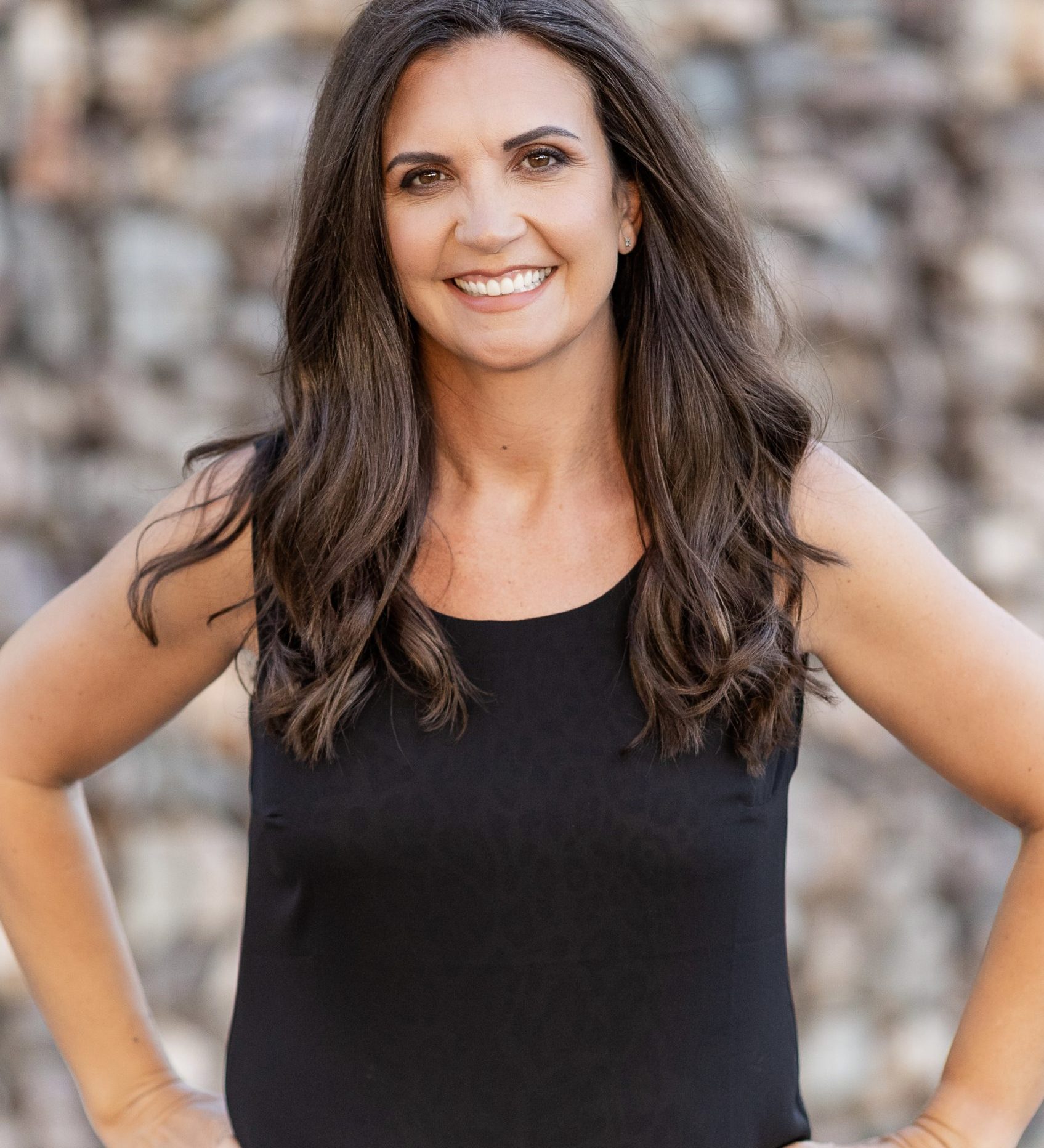
Melissa Leon is a Tucson native, NAU graduate, and Mesa resident. She co-owns Two Sense Consulting, a bookkeeping and fractional CFO firm dedicated to helping small business owners learn to read and make decisions based on financial statements. She is also the best-selling author and podcast host of “Efficiency Bitch, How Ambitious Women Can Have It All Without Doing It All”. Melissa is a mother of three children and intimately knows the transformation from ambitious woman to SuperMom.