
(and What It Shouldn’t)
Finding high-quality childcare can be overwhelming for families, especially with all the jargon and common misconceptions about what different options actually offer. Terms like preschool, daycare, and play-based learning are often misunderstood, making it harder to choose the right fit. To help, here are three common misconceptions—along with the reality—about the differences between preschool, daycare, and play-based learning:
1. Preschool vs. Daycare: Not Just About Age or Hours
Misconception: “Preschool is for learning, daycare is just babysitting.”
Reality: It’s important to recognize that language matters. The term ‘daycare’ can carry negative connotations and doesn’t fully reflect the value of the work. A more accurate and respectful term is ‘childcare’. While preschools often have a structured, curriculum-driven approach aimed at preparing kids for kindergarten, many childcares also include educational activities, routines, and age-appropriate learning. The difference lies more in focus than in quality. Preschool and childcare programs can offer high-quality learning experiences that support a young child’s development, growth and learning.
What to Look For: High-quality early learning programs, whether in preschool, childcare, or a home setting, should look clean, friendly, and inviting for the children and their families. There should be a daily schedule, age and developmentally appropriate activities, nutritious meals and snacks, and caring, nurturing, and well-trained educators.
2. Play-Based Learning: Not “Just Playing”
Misconception: “Play-based programs aren’t serious about education. The children are just playing. Why aren’t they doing worksheets or sitting at desks?”
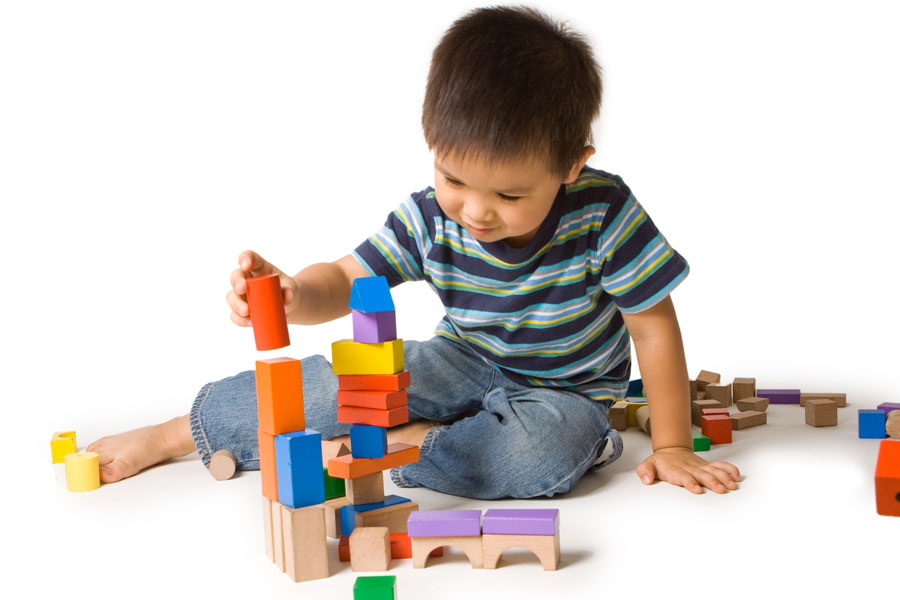
Reality: Play-based learning is a research-supported approach that uses play to help children build cognitive, physical, social, and emotional skills. It is purposeful and an important part of both high-quality preschools and childcare programs.
What to Look For: Here are some examples of what learning through play looks like in a high-quality preschool or childcare:
- Building with blocks — problem-solving, spatial awareness
- Pretend play — language development, empathy
- Group games — social skills, cooperation, self-regulation
Play-based learning often appears in Reggio Emilia, Montessori, and Waldorf approaches, but it’s also present in many public and private preschools. Families can have peace of mind that if children are “just playing” they are also learning.
3. Overlap Between All Three
We all carry mental models of what preschool and childcare programs should look like and offer. In reality, many programs blend elements of preschool education, childcare, and play-based learning.
- A childcare center typically offers a preschool curriculum in the mornings. They also serve broader age ranges, offer longer hours, and includes care and some learning throughout the entire day. Some family childcare homes offer structured learning in a home-based environment.
- A preschool may use a play-based or academic approach, with structured learning for 3–5-year-olds, with shorter hours.
- Play-based learning is a philosophy, not a type of care, and is commonly offered in any childcare setting (home or center), and is highly educational.
The good news is that families don’t have to navigate the search for high-quality preschool or daycare on their own. Arizona Child Care Resource & Referral is a free service available to anyone looking for help with finding childcare, understanding their options, accessing child development tips, and getting support throughout the decision-making process. Families can call the Child Care Information Line, Monday – Friday, 7:00am to 6:00pm, at 1.800.308.9000 or search online 24/7 at azccrr.com
Michelle Saint Hilarie, M.S, is the Senior Director of CCR&R with over 33 years of experience advancing equity, education, and opportunity for children, youth, child care providers, and families. Michelle holds a master’s in Early Childhood Education Administration and Leadership from Walden University and is a key expert in the field.