
What Parents Often Overlook
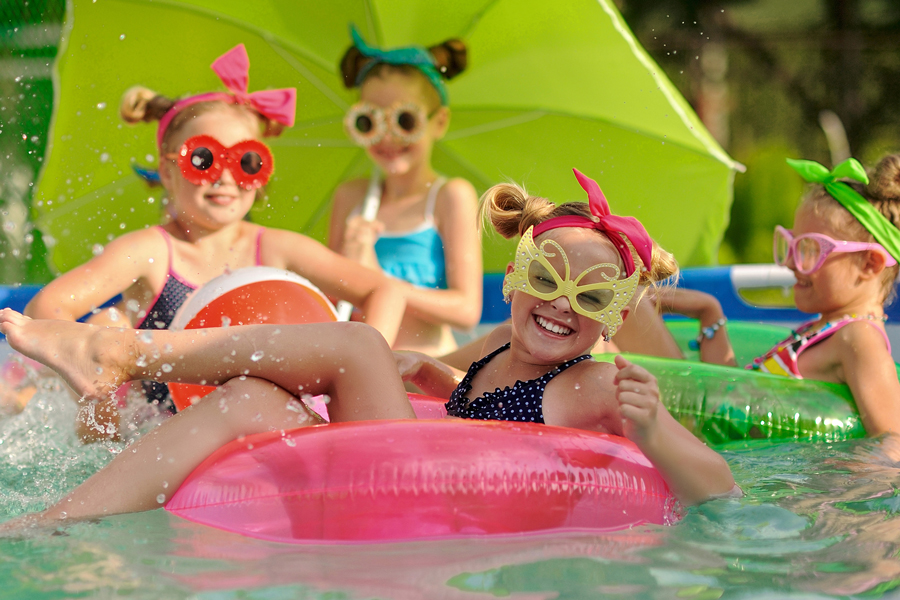
For communities across Arizona, pools are part of everyday life. They are present in backyards and community centers, which means you can expect to see a pool at nearly any local party or family gathering.
While pool parties are meant to be fun – kids are excited, adults are catching up, and everyone’s enjoying the moment – the combination of energy, distraction and laxity makes for a higher-risk environment.
Because Arizona residents are around water so often, it can be easy to let guards down during pool parties, which is exactly why pool safety deserves extra attention in these spaces.
What Effective Pool Supervision Really Looks Like
One of the biggest misconceptions I’ve seen, in my experience, is the idea that supervision is a shared responsibility. At pool parties, adults often assume someone else is watching, but in practice, effective supervision means assigning that responsibility very clearly.
A designated water watcher should be:
- Focused solely on the pool
- Free from distractions (such as phones or conversations)
- Rotated every 15–20 minutes to stay alert
Even the strongest swimmers need supervision. Drowning is often silent and happens quickly, sometimes without splashing or calls for help. During pool parties, crowded spaces, noise, and activity can make it harder to notice subtle signs of trouble. This is why it is imperative that all attendees, not just those in the water, are aligned on the pool rules and the supervision plan.
Setting Expectations Before Kids Enter the Pool
Before anyone jumps in, it’s important to establish pool rules. This doesn’t have to be formal or intimidating, but it should be clear and consistent to everyone.
Key rules should always include:
- No running on the pool deck
- No diving unless permitted and supervised
- Stay within designated swim areas
- Always tell an adult before entering or leaving the pool
Taking just a few minutes to set expectations during a pool party can make all the difference, and establishing these rules helps kids understand boundaries and reduces risky behavior before it happens.
Navigating Pool Parties as Higher-Risk Environments
Pool parties change the dynamic around water. Not only are children often exhibiting a lot of energy while in the pool, but they are also likely to participate in games or attempt a new water trick while playing with friends and loved ones.
Another important reminder is that confidence doesn’t equal capability. Even children who are comfortable and adventurous in the water can misjudge their limits, especially when energy levels are high.
A Simple Framework for Pool Party Safety
From my experience as a competitive swimmer, Olympic medalist, and now President of Corporate Pools at Big Blue Swim School, I encourage families to remember our SAFER approach to water safety:
- Swim with a buddy and make sure there is always a Water Watcher on duty
- Acquire first aid and CPR training so you know how to respond in an emergency
- Find and reduce water hazards, including removing toys from the pool when not in use
- Enroll children in swimming lessons to build skills, confidence, and awareness
- Respond fast and call 911 in an emergency
A Broader Takeaway for Parents
Living in a region where pools and bodies of water are commonly found requires water safety to be part of everyday parenting. Pool parties are a good reminder that safety is built over time, through awareness, preparation, and confidence in the water.
When kids understand their abilities and limits, they make safer choices. And when adults are intentional about supervision and preparation, pool parties can stay what they’re meant to be: joyful, memorable and safe.
Tom Dolan is a former competitive swimmer, three-time Olympic medalist, and former world record holder. He currently serves as the President of Corporate Pools for Big Blue Swim School, one of the nation’s fastest-growing swim school franchises. Founded in 2009 by competitive swimmer Chris DeJong and backed by Level 5 Capital Partners, the brand offers best-in-class swim lessons for children ages three months to 12 years, combining strong consumer demand with robust franchisee support. With 52 pools open nationwide and more than 250 units in development, Big Blue supports franchise partners at every stage, from real estate selection to marketing and operations, to drive long-term success. Read more about him at bigblueswimschool.com/blog/meet-tom-dolan