
Kids wandered outside without much of a plan, built forts out of sticks, rode bikes until dinner and made up games as they went along. If there was nothing to do, they figured something out. Imagination filled the gaps.
Today, boredom rarely lasts long. Tablets, phones, gaming systems and endless streaming options are always within reach. The moment a child says, “I’m bored,” a screen often becomes the fastest solution.
That’s one reason summer camp has become something special in today’s world.
For many kids, camp may be one of the few places left where screens disappear and something else takes their place: time, space and freedom to explore.
Unstructured Time Sparks Creativity
At camp, not every moment is scheduled or filled with instructions. While there are activities throughout the day, there are also stretches of time where kids simply exist together—talking, exploring, building and inventing.
And when kids are given space like that, something interesting happens.
They start creating their own fun.
A group might invent a new game, turn a fallen log into a balance beam or spend an afternoon building something entirely imagined. Without constant entertainment handed to them, kids begin to use the most powerful tool they have: their creativity.
The Outdoors Becomes the Playground
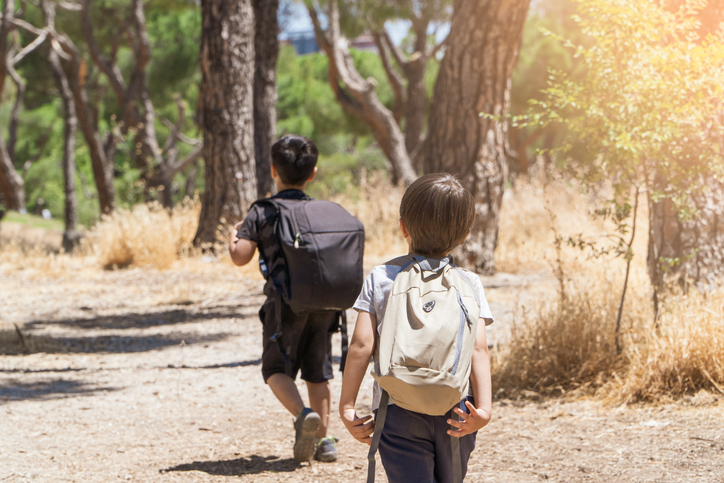
Camp also brings kids back outside in ways that everyday life sometimes doesn’t allow. Long hours spent hiking trails, swimming in lakes, climbing rocks or simply running across open fields remind kids how much there is to discover beyond four walls.
Nature itself becomes the playground.
It’s not unusual for kids to return home from camp with scraped knees, messy hair and stories about frogs, campfires and adventures that started with nothing more than curiosity.
Real Social Connection
Perhaps one of the biggest differences between camp and everyday life is the way kids interact with one another.
Without phones buzzing or notifications pulling attention away, conversations happen face to face. Kids talk during meals, share stories in cabins, laugh around campfires and solve problems together when small conflicts arise.
These interactions help children practice communication, empathy and teamwork—skills that grow stronger through real-world connection.
Learning to Be Comfortable With Boredom
Ironically, boredom itself can be a gift.
When children learn that boredom isn’t something to fear, they become better problem-solvers and more independent thinkers. Instead of expecting entertainment to appear instantly, they learn to create it themselves.
Camp gives kids the chance to rediscover this skill.
A Different Kind of Summer
In a world filled with constant digital stimulation, summer camp offers something rare: a break.
A break from screens, from constant notifications and from the pressure to always be entertained.
In that space, kids rediscover what childhood has always been about—friendship, imagination, outdoor adventures and the freedom to simply be kids.
And sometimes, it all starts with a simple phrase: “What should we do now?”