
Teaching Kids the Value of Gifts & Gratitude
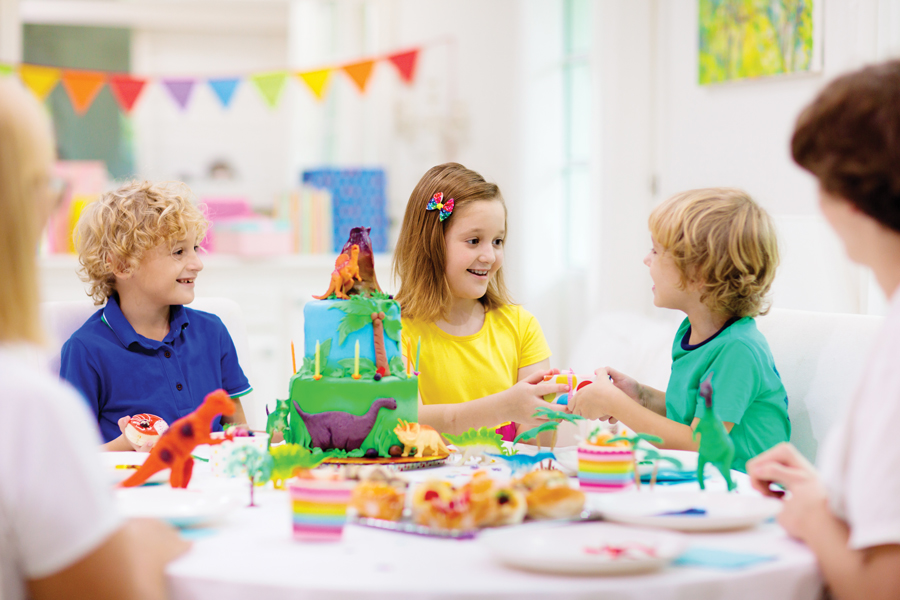
Between the cake, balloons, and wrapping paper tornado, birthday parties are often all about fun, but they also provide the perfect opportunity to teach kids early lessons about money, generosity, and gratitude. With a little intention, you can help your children look beyond the presents and see the values wrapped inside.
It’s the Thought That Counts
Kids naturally get excited about new toys, but without guidance, they might start to believe that the best gifts are the most expensive. Teaching them to recognize thoughtfulness over price is an early step toward understanding value.
Encourage conversations like:
- “She remembered you love dinosaurs – how thoughtful!”
- “That’s such a creative gift. What a fun surprise!”
- “Look how much time they spent making this for you!”
When parents consistently call out effort and intention, kids learn that value isn’t always tied to cost.
Gifts That Teach Financial Skills
Birthday money and gift cards offer a perfect opportunity to introduce foundational money habits. One simple system is the “Spend, Save, Share” method:
- Spend: Use a portion of the money on something fun or meaningful.
- Save: Set aside a percentage for a future goal – like a larger toy or outing.
- Share: Choose a cause or person to support with a small donation.
This approach helps kids understand that money can serve different purposes. It also gives them early practice in making decisions, setting priorities, and managing delayed gratification.
For younger children, using physical jars or envelopes labeled “spend,” “save,” and “share” makes the process more tangible. For older kids, digital tools or youth savings accounts can help them track their progress and take more ownership of their money.
Avoiding the “More Is Better” Trap
As parents, it’s easy to get swept up in making birthdays magical, but keeping things simple can actually make the day more meaningful.
Some budget-conscious (and lesson-rich) alternatives:
- Set expectations ahead of time. A quick conversation before the party can help your child understand that birthdays are about celebration, not quantity.
- Opt for experience gifts like a zoo trip, cooking class, or movie night. These often create more lasting memories than toys.
- Encourage group gifts where family or friends contribute to one meaningful item instead of several smaller ones.
Moments like these help kids begin to see that being intentional with money, whether giving, receiving, or spending, is something to be proud of.
Celebrate What Really Matters
What kids remember most about birthdays usually isn’t what they unwrapped; it’s how they felt. When parents use celebrations to reinforce values like appreciation, generosity, and financial decision-making, they’re giving their kids something far more valuable than what fits in a gift bag.