
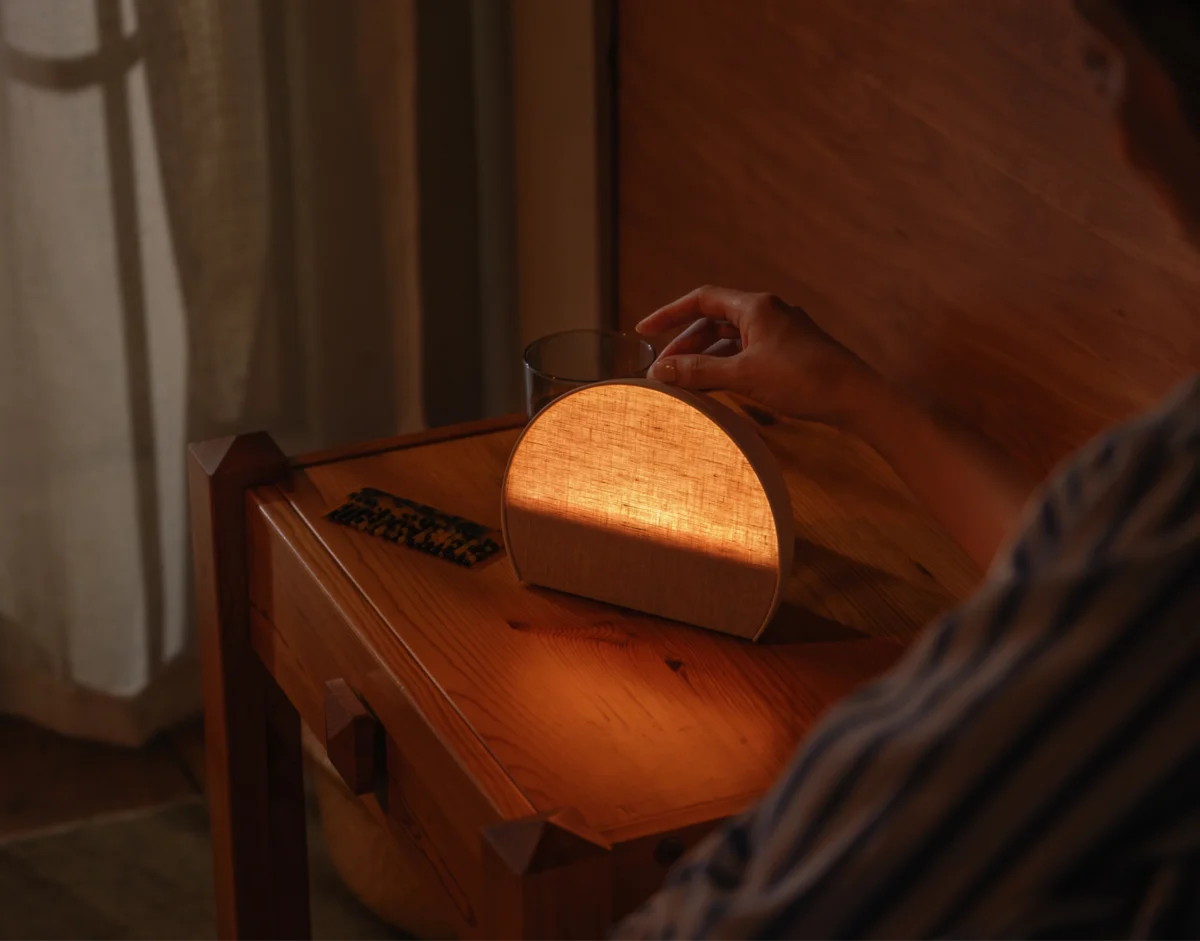
From gentle sunrise alarms to sleep tracking, here’s what we’ve learned after several weeks with the Hatch Sleep Clock, plus simple ways parents can improve their sleep.
Disclosure: We received the Hatch Sleep Clock complimentary for review purposes. All opinions and experiences shared here are our own.
As parents, we spend a lot of time thinking about our kids’ sleep. Bedtime routines, sound machines, nightlights, wake-up times — we’ve probably tried just about everything to help our children get a good night’s rest. But what about our own sleep?
With a busy household, early mornings and seemingly endless responsibilities, getting quality sleep isn’t always easy. And while no gadget can magically give us eight uninterrupted hours, we’ve discovered that a few simple changes can make bedtime and mornings a little more enjoyable.
One of our newest favorites? The Hatch Sleep Clock, a smart alarm clock designed specifically for adults.
We’ve been using it for a few weeks now, and my husband recently said he couldn’t imagine not having it. That’s a pretty strong endorsement from someone who has to get up at 5 a.m.!
In this Hatch Sleep Clock review, I’ll share our favorite features, how it compares with the less expensive Hatch Restore 3, whether the extra cost is worth it, and some of the simple habits that can help parents get better sleep.
What Is the Hatch Sleep Clock?
The Hatch Sleep Clock is much more than a traditional alarm clock. It’s designed to help adults establish healthier sleep routines, wind down at night, track their sleep and wake up more naturally.
Instead of relying on a loud alarm and your phone beside the bed, Hatch combines soothing sounds, customizable lighting, a sunrise alarm and contactless sleep tracking in one bedside device.
Some of its features include:
- Sunrise alarm: Gradually brightening light that mimics a natural sunrise before your alarm sounds.
- Sleep sounds: Relaxing audio options to help create a peaceful bedtime environment.
- Customizable bedtime routines: Set up lighting and audio experiences that encourage you to wind down.
- Contactless sleep tracking: Estimates sleep patterns using breathing and movement without requiring a smartwatch or wearable device.
- Personalized sleep insights: Review your sleep patterns and receive suggestions for improving your routine.
- Phone-free bedside controls: Use your established routines without constantly reaching for your phone.
- Optional premium content: Access additional meditations, soundscapes and other sleep audio through Hatch+.
The idea isn’t simply to wake you up on time. It’s to help you create a more consistent routine around sleep.
Our Hatch Sleep Clock Review: What We Love Most
After several weeks of using the Hatch Sleep Clock, two features have become clear favorites in our house.
1. The Sleep Sounds Make Bedtime More Relaxing
There’s something comforting about falling asleep to a familiar sound.
Whether you prefer white noise, nature sounds or something more soothing, the Hatch Sleep Clock makes it easy to create a relaxing atmosphere in your bedroom.
We especially love having sounds playing as we settle in for the night. They help create that transition from a busy day to bedtime.
As parents, our days can be loud and chaotic. Having a consistent sound at bedtime is a simple way to make our bedroom feel like a calmer space.
And unlike using your phone to play sleep sounds, Hatch lets you create a routine without needing to keep your phone in your hand.
2. The Sunrise Alarm Makes 5 A.M. a Little More Bearable
This might be our favorite feature of all.
My husband gets up at 5 a.m., and during the winter months, it’s still pitch black outside. Waking up to a traditional alarm in a completely dark room isn’t exactly pleasant.
The Hatch Sleep Clock uses a sunrise alarm that gradually brightens before your scheduled wake-up time, mimicking the colors of a natural sunrise.
Instead of being jolted awake by a sudden alarm, you get a gentler transition from sleep to morning.
You can customize the light, alarm sounds and how long the sunrise lasts.
Of course, it doesn’t make getting out of bed at 5 a.m. exciting, but it does make those early mornings feel a little less abrupt.
For anyone who gets up before the sun, particularly during the shorter winter days, this feature alone is worth considering.
3. The Sleep Tracking Helps You Understand Your Habits
This is the feature that really sets the Hatch Sleep Clock apart from a traditional sound machine or sunrise alarm.
The Sleep Clock uses contactless technology to estimate your sleep patterns based on breathing and movement. You don’t need to wear a smartwatch, fitness tracker or smart ring to bed.
Through the Hatch app, you can review information about your sleep, including how long you slept, estimated sleep stages and periods when you may have been awake.
Personally, I find this fascinating.
It’s one thing to wake up feeling tired or refreshed. It’s another to look at your sleep patterns and start noticing what might be contributing to those differences.
For example, did you sleep better after putting your phone away earlier? Did going to bed 30 minutes sooner make a difference? Did you wake up more frequently after having caffeine later in the day?
I love the idea of being able to experiment with small changes to our bedtime routine and see whether any patterns emerge over time.
Of course, sleep tracking isn’t an exact science. The device provides estimates, not medical-grade measurements, and one good or bad night doesn’t necessarily tell you much.
But when you look at trends over several weeks, that information can help you become more intentional about your sleep habits.
And for me, that’s one of the most interesting reasons to consider the Sleep Clock over Hatch’s less expensive Restore 3.
Hatch Sleep Clock vs. Restore 3: Is the Extra $80 Worth It?
If you’re considering a Hatch alarm clock, you might be wondering whether you really need the more expensive Sleep Clock or if the Restore 3 will do everything you need.
The biggest difference comes down to one thing: Do you want to track and understand your sleep, or do you simply want a better bedtime and wake-up routine?
Both clocks offer many of the same features, including soothing sleep sounds, customizable bedtime routines and the sunrise alarm we’ve come to love.
Here’s how they compare:
| Feature | Hatch Restore 3 | Hatch Sleep Clock |
|---|---|---|
| Price | $169.99 | $249.99 |
| Sunrise alarm | Yes | Yes |
| Relaxing sleep sounds | Yes | Yes |
| Custom bedtime routines | Yes | Yes |
| Phone-free bedside controls | Yes | Yes |
| Contactless sleep tracking | No | Yes |
| Estimated sleep stages | No | Yes |
| Personalized sleep insights | No | Yes |
| Recommendations based on sleep data | No | Yes |
| Wearable device required | No | No |
| Subscription required for sleep tracking | N/A | No |
| Optional Hatch+ subscription | Yes | Yes |
Prices reflect regular retail pricing at the time of publication and may change.
Why the Hatch Sleep Clock May Be Worth the Extra Money
For me, the biggest selling point is the sleep tracking.
I find it fascinating to be able to see how well you slept and then experiment with different routines to determine what seems to work best.
Maybe you discover that you sleep better when you avoid screens for an hour before bed. Or perhaps you notice that your sleep is more consistent when you stick to the same bedtime, even on weekends.
You could also compare nights when you use different sleep sounds, adjust your bedroom temperature or make other small changes.
Rather than simply guessing what helps, you can look at your sleep patterns over time.
I also appreciate that Hatch focuses on sleep insights and recommendations rather than assigning you a nightly score that makes you feel like you’ve failed if you don’t sleep perfectly.
And importantly, you don’t need a Hatch+ subscription to access the Sleep Clock’s core sleep-tracking features.
If you’re someone who enjoys looking at data, identifying patterns and finding ways to improve your habits, I think the additional $80 could be a worthwhile investment.
When the Hatch Restore 3 Might Be the Better Buy
Here’s the thing: Not everyone wants to analyze their sleep.
If you simply want relaxing sounds at bedtime and a gentle sunrise alarm in the morning, the Hatch Restore 3 offers those same core features for $80 less.
You can still customize your bedtime routine, enjoy sleep sounds and wake up gradually with light rather than a traditional alarm.
Both devices use an app for setup and customization, but you don’t have to keep reaching for your phone to use your established routines.
The Restore 3 just doesn’t offer the Sleep Clock’s contactless sleep tracking and personalized insights based on that data.
If you know you’re not going to open the app to review your sleep information, there’s probably little reason to spend the extra money on the Sleep Clock.
In that case, I’d save the $80 and choose the Restore 3.
Which Hatch Clock Would We Recommend?
For our household, the Hatch Sleep Clock has been a great addition to our bedtime routine.
We genuinely love the sleep sounds and sunrise alarm, and I appreciate having the ability to look at our sleep data and learn more about what might be helping or hurting our rest.
But I wouldn’t necessarily recommend that everyone spend the extra $80.
Choose the Hatch Sleep Clock ($249.99) if you’re interested in tracking your sleep, understanding your sleep patterns and experimenting with different routines to see what works best.
Choose the Hatch Restore 3 ($169.99) if you mainly want soothing sleep sounds, a customizable bedtime routine and a gentle sunrise alarm without paying for tracking features you won’t use.
Both can be worthwhile investments. The best choice depends on whether you’ll actually use the extra information the Sleep Clock provides.
How Much Does the Hatch Sleep Clock Cost?
The Hatch Sleep Clock retails for $249.99, compared with $169.99 for the Restore 3.
The Sleep Clock includes its contactless sleep-tracking functionality without requiring an additional subscription.
Hatch also offers an optional membership called Hatch+, which provides access to an expanded library of sleep content, including meditations, soundscapes and other relaxing audio.
The Sleep Clock comes with a 30-day trial of Hatch+, so you can explore the additional content before deciding whether a membership is worthwhile.
You can still use the device’s core features without continuing the paid subscription.
You can explore the features and check current pricing on Hatch’s website.
7 Simple Sleep Tips for Busy Parents
Of course, even the best alarm clock can’t fix every sleep challenge.
As parents, there are plenty of things that interfere with a good night’s sleep, from babies and toddlers waking up to late-night responsibilities and early morning schedules.
We’ve found that building better sleep habits doesn’t necessarily require a complete lifestyle overhaul. Sometimes it’s about making small, manageable changes.
1. Create a Consistent Bedtime Routine
We put so much effort into establishing bedtime routines for our kids, but adults benefit from consistency, too.
Try doing a few of the same things each night to signal that it’s time to slow down.
That might mean washing your face, putting on pajamas, reading a book, turning on your Hatch sleep sounds or simply dimming the lights.
The goal is to give yourself a transition between the busyness of the day and bedtime.
2. Put Your Phone Away Earlier
This one can be challenging, especially when the evening is the first quiet time you’ve had all day.
It’s tempting to scroll through social media, catch up on emails or finish one more task.
But spending time on your phone right before bed can keep your brain engaged when you’re trying to relax.
Try putting your phone down 30 to 60 minutes before bedtime and replacing that scrolling time with something more calming.
One thing we appreciate about the Hatch is being able to enjoy our sleep sounds without relying on a phone beside the bed.
3. Consider Magnesium — With Your Healthcare Provider’s Guidance
Magnesium plays an important role in normal muscle and nerve function, and it’s often discussed as a supplement that may support relaxation and sleep.
Some people choose magnesium glycinate as part of their evening routine.
However, research on magnesium supplements for improving sleep is still limited, and taking more isn’t necessarily better.
If you’re considering a supplement, talk with your healthcare provider about whether it’s appropriate for you, particularly if you’re pregnant, breastfeeding, taking medications or managing a medical condition.
You can also focus on magnesium-rich foods such as nuts, seeds, beans, leafy greens and whole grains.
4. Keep Your Bedroom Cool, Dark and Comfortable
Your bedroom environment can make a difference in how comfortably you sleep.
Try keeping your room at a comfortably cool temperature, limiting unnecessary light and reducing distracting noises.
Blackout curtains can be especially helpful if you’re trying to sleep while it’s still light outside.
And if you enjoy background noise, a sound machine like the Hatch can help create a more consistent sleep environment.
5. Watch Your Afternoon Caffeine
Coffee is practically a parenting survival tool some days, but caffeine can stick around longer than you might realize.
If you have trouble falling asleep, consider moving your last cup of coffee or other caffeinated drink earlier in the day.
You don’t necessarily need to give up your morning coffee. Just pay attention to whether that afternoon pick-me-up is affecting your bedtime.
6. Get Natural Light During the Day
Natural daylight helps regulate your body’s internal clock.
Try stepping outside in the morning, taking a short walk or spending some time outdoors with your kids.
Even a little time outside can be a welcome break from screens and indoor lighting.
And for those mornings when you need to wake up before the sun, a sunrise alarm can offer a gentler way to start the day.
7. Give Yourself Permission to Prioritize Sleep
This might be the hardest tip for parents.
Once the kids are in bed, it’s easy to see the evening as your opportunity to clean, work, watch a show or finally enjoy some uninterrupted time.
And sometimes that’s exactly what you need.
But sleep deserves a place on your priority list, too.
The laundry will still be there tomorrow. The emails can usually wait. And getting enough rest can make the next day’s responsibilities feel a little more manageable.
You don’t need a perfect bedtime routine. You just need one that works for your life.
Final Thoughts: Our Hatch Sleep Clock Review
After several weeks of use, the Hatch Sleep Clock has earned its place on our nightstand.
We love the relaxing sleep sounds, and the sunrise alarm has made those dark, early mornings noticeably more pleasant.
My husband is already convinced he doesn’t want to go back to a traditional alarm clock!
For me, the ability to track sleep patterns and learn more about how our daily habits affect our rest makes the Sleep Clock particularly interesting.
Would I say every parent needs one? No. If you just want the sounds and sunrise alarm, the less expensive Restore 3 is probably the smarter purchase.
But if you’re interested in understanding your sleep and experimenting with ways to improve it, the Sleep Clock offers features that may justify the additional cost.
And while the Hatch Sleep Clock has become a favorite in our bedroom, it’s just one part of the bigger picture. Reducing screen time, establishing consistent routines and making sleep a priority are habits that can help, too.
Because while we can’t always control how many times our kids wake us up, we can make the sleep we do get a little more comfortable.
Learn more: Visit Hatch to explore the Hatch Sleep Clock, compare features and check current pricing.
RELATED:
Sleep Hygiene Tips for Busy Parents