

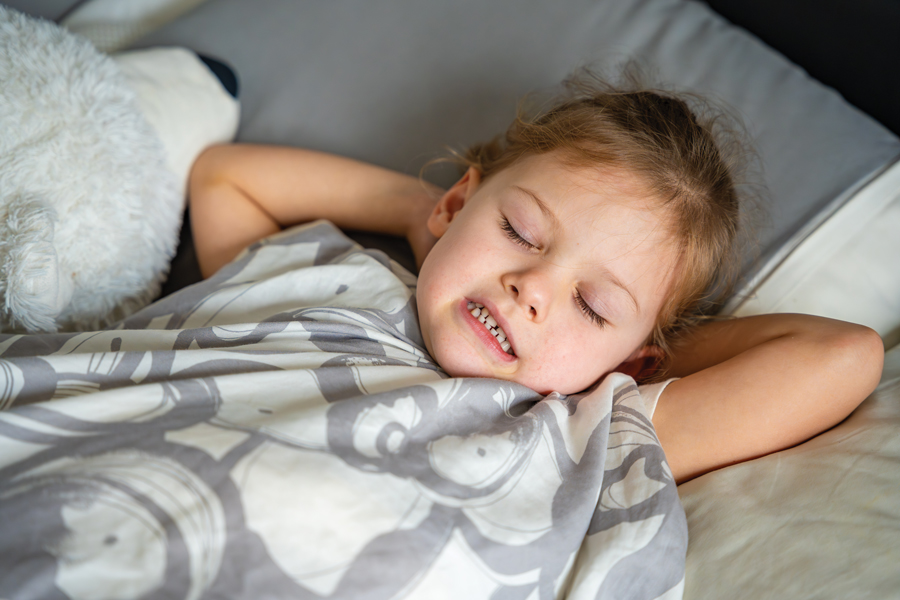
Does your child grind their teeth while sleeping? Between 15 and 33 percent of children, compared to about 8 percent of adults, will grind their teeth at some point. Most teeth grinding, also known as bruxism, happens after children fall asleep, making it hard for them to know it is occurring. Parents, however, can learn to spot the signs and act.
Identifying bruxism
Not every child with bruxism shows symptoms, but some may develop chipped teeth or worn enamel, causing pain while chewing or sensitivity to hot and cold. Grinding can also result in headaches, earaches, or jaw pain. Listening while your child sleeps may reveal the grinding sound. If you suspect bruxism, visit your child’s dentist. Regular checkups can catch early signs like fractures or tooth wear.
Helping your child stop
Causes can include stress, anxiety, hyperactivity, medications, teeth misalignment, or pain from new teeth. Many children stop grinding once these issues fade or when permanent teeth arrive, but some continue into adolescence.
Dentists may recommend a night guard if damage occurs. At home, reduce stress by limiting caffeine, establishing calming routines, and turning off electronics before bedtime. These small steps help protect young smiles and restore restful sleep.