

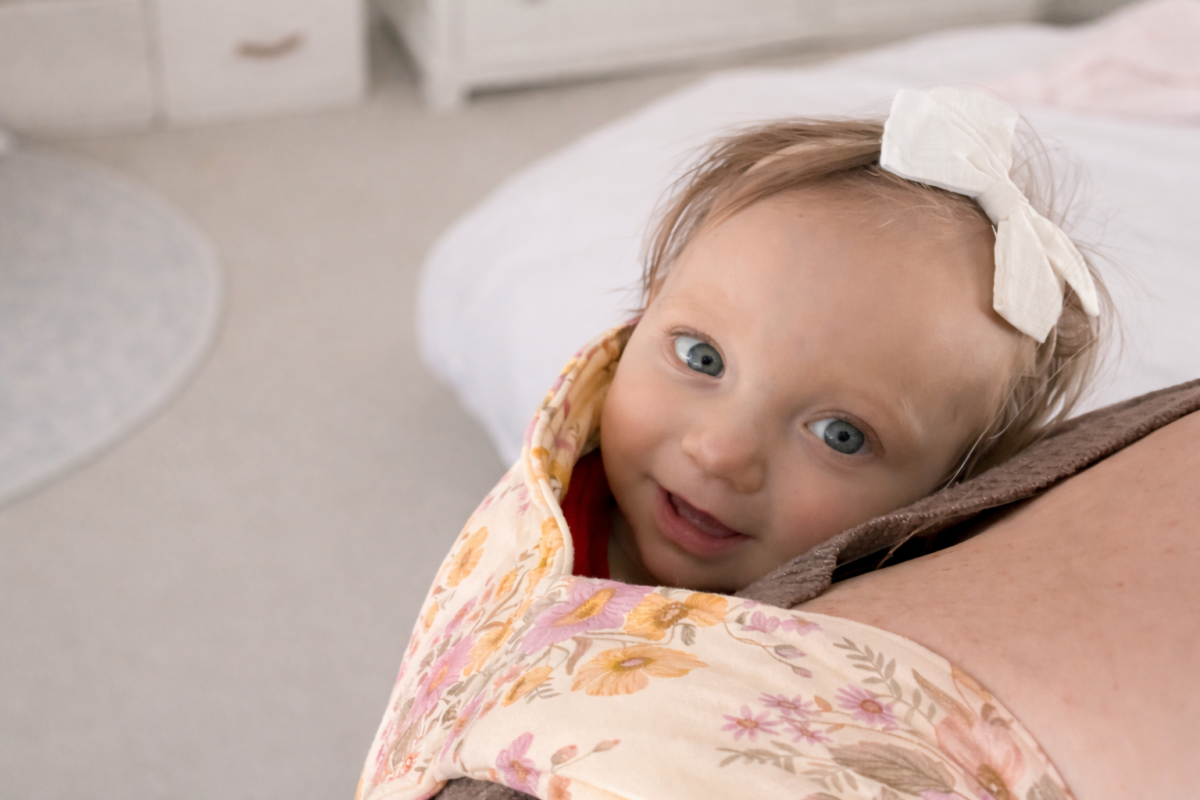
No one prepares you for the mental demand of a high-needs baby. Not colic. Not reflux. Just a baby who wants to be held—constantly—and who has a very clear preference for mom. Babies who just… cry unless they’re being held.
These babies are often labeled “clingy,” but that word misses what’s really happening: a baby with a sensitive nervous system seeking comfort and regulation through closeness.
It took me a while to accept this. Our fifth baby—our first girl—should have been easy, right? This certainly wasn’t my first rodeo, but she humbled me in ways I didn’t expect. She was born into a busy season of our lives, and I truly believe that was intentional—her way of forcing us to slow down and be present with her.
Why Some Babies Need More
Some babies are simply wired to experience the world more intensely. I spent countless late nights Googling, searching for any reason—or solution—for a baby who seemed discontent unless she was being held.
Research shows that some infants have higher sensory needs and process stimulation more deeply. For them, physical contact isn’t a habit or a phase—it’s a biological need. Being held lowers cortisol (the stress hormone) and helps their nervous system settle. In short, your baby isn’t being difficult—they’re regulating the only way they know how.
In our house, we joke that the baby is just my best friend and doesn’t want to miss out on anything fun.
The Mental Load No One Talks About
What surprised me most wasn’t the physical exhaustion. I expected the sleepless nights and bone-deep tiredness. It was the emotional weight. Being someone’s safe place all day requires constant attentiveness. The lack of breaks, the way your body no longer feels like your own, the pressure to meet everyone else’s needs—it adds up quickly.
It’s also easy to feel frustration or resentment bubble up. And then there’s the guilt—especially when your partner feels disappointed that the baby doesn’t want them.
If you love your baby deeply but still feel overwhelmed or touched-out, you’re not doing anything wrong. You’re responding to a very real demand.
Why Babywearing Can Be a Game Changer
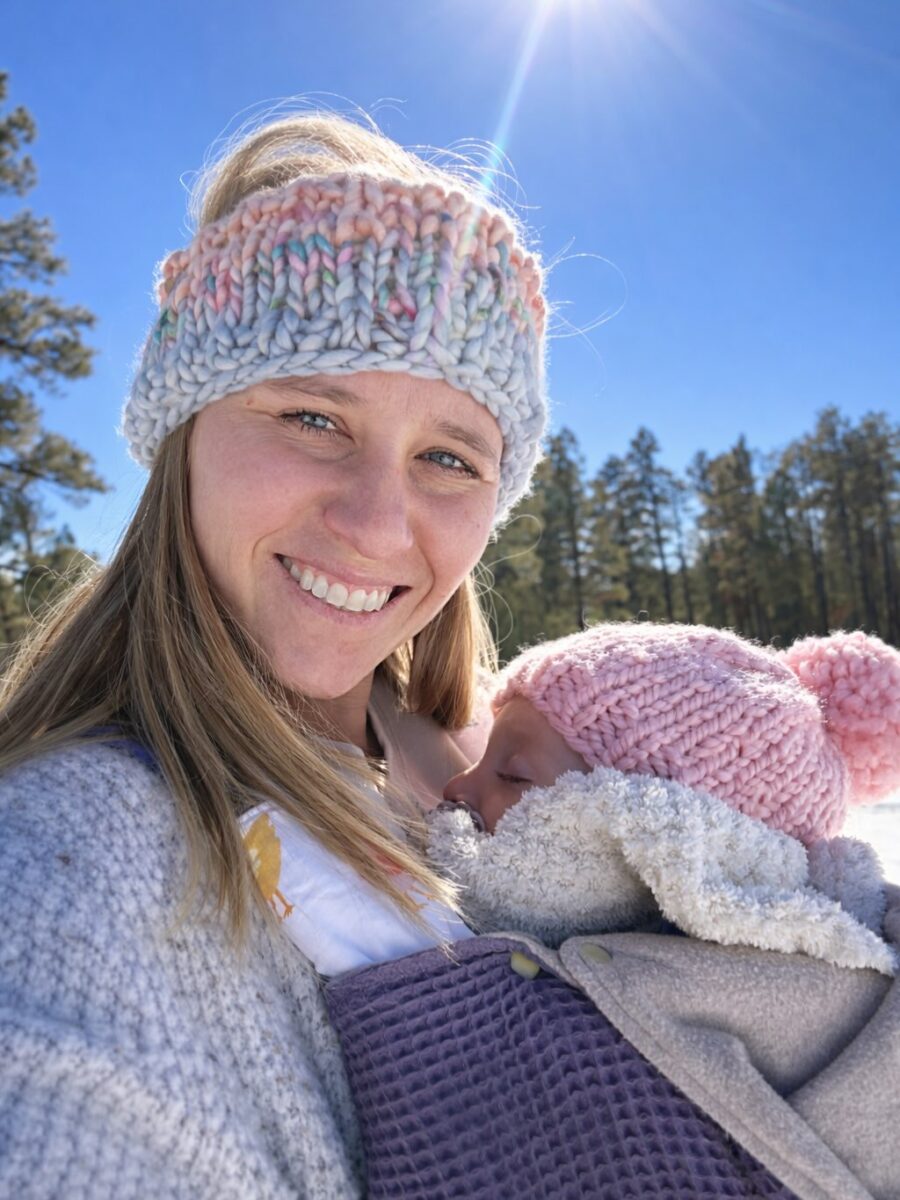
Babywearing became my lifeline. Using carriers from Happy Baby and Hope & Plum allowed me to meet my baby’s need for closeness while still caring for my family and myself. Over the last eight months, I’ve logged probably close or more than 500 hours of babywearing—and those hours taught me something important: closeness doesn’t create dependence. It creates security.
Studies show that babywearing can reduce crying, help regulate heart rate and breathing, and support emotional co-regulation. For high-needs babies, that steady sensory input often brings instant calm. You’ll be surprised at what you can get done with a baby carrier. I’ve changed toddler diapers, cleaned the kitchen, prepped dinner, vacuumed, mopped, helped with homework, answered calls or emails, and so much more. I even volunteer at our local Elks Lodge a few times a week.
Closeness Now Builds Confidence Later
Research consistently shows that babies who experience responsive, consistent care often grow into confident and independent children. When babies trust that their needs will be met, they feel safe enough to explore the world on their own timeline.
I’ve heard it all—that holding or wearing your baby will spoil them. But I’ve worn all of my children, and they are fiercely independent. You’re not creating bad habits. You’re building a foundation of security.
Tips for Navigating a High-Needs Season
- Lean into the season rather than fighting it—acceptance can ease daily frustration.
- Leave the house—alone. True breaks matter, even if they’re short I promise your baby will be ok with dad or a caregiver.
- Find a baby carrier that works for you. I love soft structured carriers and ring slings but your comfort matters the most. Just make sure you have a safe fit. I love Happy Baby, Loveheld, and Hope and Plum. If you have a local babywearing group or library I recommend joining!
- Holding your baby is real work. If that’s all you accomplish some days, that’s enough.
- Allow space for two truths: you can treasure the snuggles and still feel exhausted.
High-needs babies grow and learn. In our home, we’ve worked intentionally on letting dad handle naps—even when it means he ends up nap-trapped for hours. Sometimes that’s the only way I can work, and that’s okay.
This season won’t last forever—I promise. But the closeness you’re offering now—the hours spent holding, responding, and comforting—matters deeply.
And one day, while you might not miss feeling overwhelmed, you will miss the snuggles.
RELATED:
Postpartum Must-Haves
Postpartum Loneliness in the Digital
Postpartum Doulas: What They Do and How They Can Help